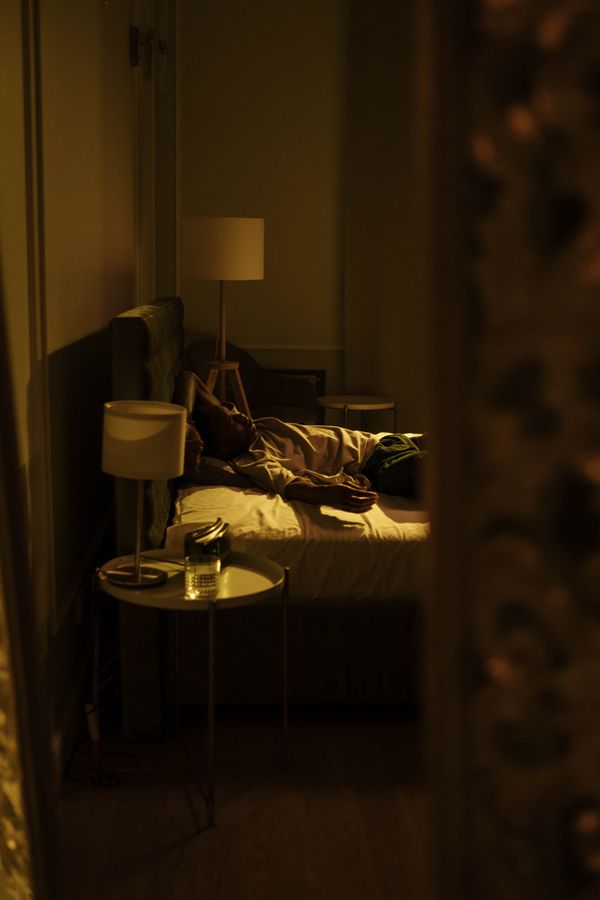
The various labels associated with different types of
insomnia vary with the causes and duration of the sleep disturbance. Primary insomnia
and secondary insomnia depend on the causes of sleep insomnia.
Acute, intermittent, and chronic insomnia describe how long different types of
insomnia last.
Primary Insomnia
Primary insomnia is unrelated to other medical conditions. Insomnia is not
considered a disease. Instead, it is considered a symptom of other, underlying,
conditions. Cases of primary insomnia are those for which no underlying cause
is detected, although it is generally assumed that something is causing sleep
disturbances.
Secondary Insomnia
Secondary insomnia is more common than primary insomnia, and describes
cases of insomnia where underlying causes of sleep disturbances are detected.
Multiple conditions can result in secondary insomnia. Physical causes of
secondary insomnia include heartburn, pain, asthma, hot flashes associated with
menopause and enlarged prostates. Any medical condition that causes enough
discomfort to disrupt sleep patterns can result in secondary insomnia.
Mental disorders such as depression and anxiety are commonly responsible for
secondary insomnia. Seventy percent of people undergoing treatment for
depression report symptoms of insomnia.
Acute Insomnia
A diagnosis of primary insomnia or secondary insomnia is not a complete
diagnosis of sleep disturbances. How often types of insomnia affect sleep is
also considered.
People suffering from acute insomnia have short-term types of insomnia. Acute
insomnia may last from a single night to several weeks. Stress, changes in
schedule and time zone changes are common causes of acute insomnia.
Chronic Insomnia
In contrast with acute insomnia, chronic insomnia describes long-term sleep
disturbances. Types of insomnia lasting at least three nights a week for more
than a month are generally classified as chronic insomnia.
Twenty percent of chronic insomnia cases are also classified as primary
insomnia. Secondary insomnia accounts for the bulk of chronic insomnia,
however, with most types of chronic insomnia caused by health conditions.
Intermittent Insomnia
Intermittent insomnia describes types of insomnia that do not meet the
criteria for either chronic or acute insomnia.
Lifestyles and Insomnia
Lifestyle choices can cause acute or chronic insomnia. People who work
night shifts often suffer from insomnia: attempting to sleep during daylight
hours disrupts the body's circadian rhythm. The circadian rhythm is
the body's internal clock and is highly sensitive to light.
Substances such as caffeine, nicotine, alcohol and some street drugs contribute
to secondary insomnia. An estimated ten to fifteen percent of chronic insomnia
cases are due to substance abuse. Drinking coffee or alcohol late in the
evening may also result in acute insomnia.
Sleep Disorders and Insomnia
Secondary insomnia is often a symptom of other sleep disorders. People
suffering from sleep apnea, restless legs syndrome and parasomnias (sleepwalking,
sleep talking and related conditions) have disrupted sleep patterns and often
complain of insomnia.
Insomnia Statistics
- 70 percent of depression cases include secondary insomnia symptoms
- 53 percent of night shift workers fall asleep at work on a weekly
basis
- 22 percent of secondary insomnia results from pain or discomfort
- 34 percent of women and 22 percent of men cite stress as a factor in
their insomnia
- 17 percent of women and 5 percent of men blame their insomnia on their
partner's snoring
- 20 percent of cases of insomnia are due to excessive light, noise or
temperature.
Types of
Insomnia and Incidence Rates
Whether acute or chronic, primary or secondary,
insomnia is a common complaint: up to a third of Americans display some
symptoms of insomnia.
Some types of insomnia become more common as people age, with incidence rates
increasing after age sixty. As people age, changes to sleep patterns often
result in a decreased need for sleep, and sleep quality often deteriorates.
Women over the age of forty may be more susceptible to some types of insomnia
than men. Menopausal hot flashes can disrupt sleep and result in acute or
chronic secondary insomnia.
Is Insomnia a Health Risk?
Sleep deprivation isn't often considered when people think of their overall
health, but that attitude should be reevaluated. Whether primary or secondary,
acute and chronic insomnia indicate that something is amiss with a person's
health.
People suffering from insomnia are more likely to be involved in car accidents
and have a reduced quality of life. One study suggests that chronic insomnia is
connected to a higher risk of mortality than smoking, heart disease or
hypertension. Many types of insomnia can be treated successfully, with a return
to restful sleep.
0 Comments